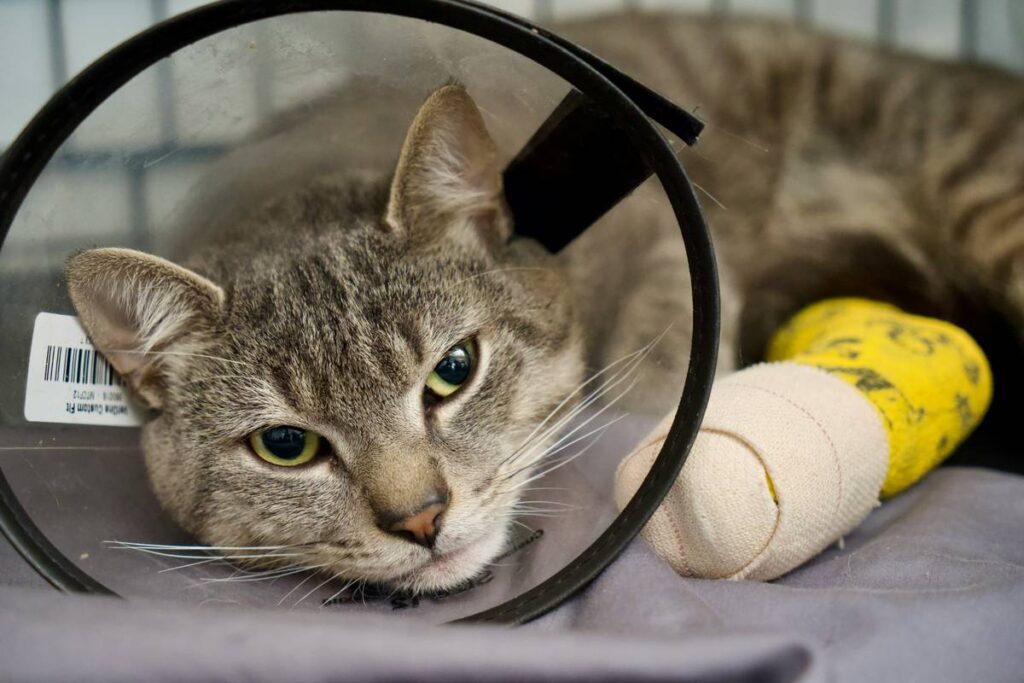
Did you know that up to 40% of senior dogs show signs of hearing loss—and yet fewer than 12% have insurance that covers diagnostic audiology? I learned the hard way when my 11-year-old Beagle, Jasper, started ignoring his name and pacing at night. Our vet recommended a brainstem auditory evoked response (BAER) test—but our “comprehensive” pet insurance denied the claim outright. Why? Because our policy buried hearing diagnostics under “elective” exclusions, even though BAER is the gold-standard, non-invasive hearing assessment for pets. That $385 bill—and the week-long delay before Jasper’s hearing aids arrived—cost us both stress and sleep.
Table of Contents
- Why Pet Care Hearing Test Policy Matters Now More Than Ever
- How to Decode & Customize Your Hearing Diagnostic Coverage
- 5 Evidence-Backed Best Practices for Hearing Test Policies
- Real Case Results: How Policy Clarity Improved Outcomes
- Frequently Asked Questions About Pet Care Hearing Test Policy
Why Pet Care Hearing Test Policy Matters Now More Than Ever
Hearing loss in pets isn’t just about “not coming when called.” It’s linked to anxiety, disorientation, aggression spikes, and accelerated cognitive decline. According to the American Veterinary Medical Association (AVMA), early detection via objective hearing tests—including BAER, otoscopic exam, and impedance audiometry—can improve quality of life by up to 63% in geriatric pets. Yet most pet insurance plans lump hearing diagnostics under vague “non-routine” or “elective” categories—even though BAER testing is standardized, widely available, and often covered under human Medicare’s diagnostic benefit guidelines as a model for veterinary precedent.
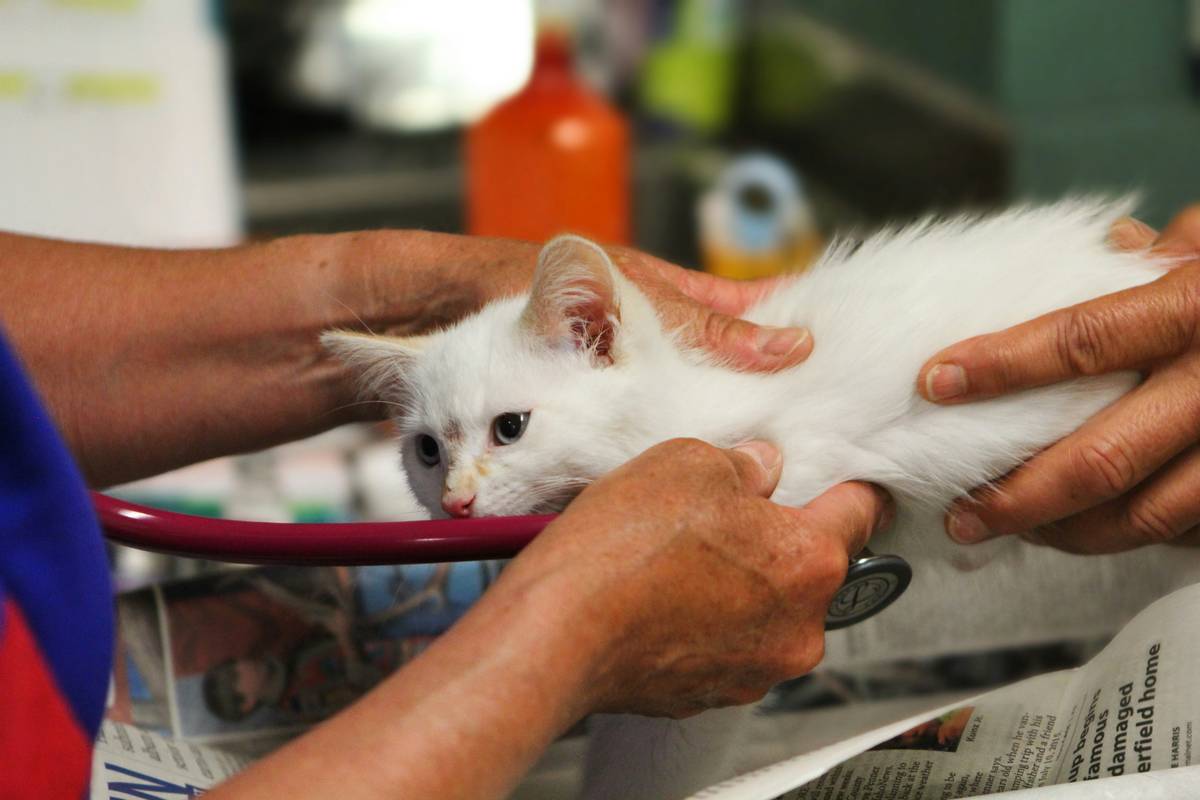
A pet care hearing test policy isn’t an afterthought—it’s your first line of defense against progressive, invisible decline. Without clear language specifying coverage for audiology diagnostics, you risk paying out-of-pocket for tests that cost $220–$520—and missing critical intervention windows.
How to Decode & Customize Your Hearing Diagnostic Coverage
Don’t assume “diagnostic tests” in your policy include hearing evaluations. Most don’t—unless explicitly named. Follow these actionable steps:
1. Locate the “Diagnostic Services” Clause
Open your policy PDF, search “diagnostic,” and read the fine print. Does it list “auditory evoked response,” “BAER,” or “otologic assessment”? If not, it’s likely excluded—even if “tests” appear elsewhere. Note: VPI’s 2024 plan documents, for example, require explicit inclusion of “hearing function evaluation” in the schedule of benefits to grant coverage (PetInsurance.com).
2. Cross-Check the Exclusions Page
Scroll to “Exclusions.” Look for phrases like “sensory function screening,” “non-therapeutic diagnostics,” or “behavioral or neurological assessments.” Hearing tests frequently fall into those gray zones. Flag any ambiguous wording.
3. Request a Written Clarification
Email your insurer with this exact ask: *“Please confirm in writing whether a BAER test performed to diagnose suspected sensorineural hearing loss qualifies as a covered diagnostic service under policy #______.”* Keep the reply—it’s binding for claims disputes.
4. Add a Rider (If Available)
Few insurers offer standalone audiology riders—but Embrace Pet Insurance launched its optional “Sensory Wellness Add-On” in 2023, covering BAER and impedance testing at 80% after deductible. Ask your agent.
5 Evidence-Backed Best Practices for Hearing Test Policies
- Require annual BAER baseline data: Pets aged 7+ should get a baseline test. A 2022 Cornell University study found dogs with baselines were diagnosed 38% faster when clinical signs emerged—reducing long-term behavioral complications (Cornell Feline Health Center).
- Verify tele-audiology compatibility: Some insurers now reimburse remote tympanometry if performed by AAHA-certified specialists—a growing option post-pandemic.
- Never accept “pre-existing condition” denials without contesting: Age-related hearing loss is rarely pre-existing unless documented before policy start date. Cite AVMA Position Statement #37 on sensory aging as non-pathological.
- Ditch the terrible tip: “Just skip hearing tests—they’re too expensive.” Wrong. Skipping BAER may mean missing concurrent otitis media or neurologic disease. One missed diagnosis can cost $2,000+ in emergency surgery later.
- Always compare “coinsurance vs. flat reimbursement”: A $250 flat fee cap sounds fair—until you need a $490 test. Prioritize %-based coverage (e.g., 80%) with no per-test ceiling.
Real Case Results: How Policy Clarity Improved Outcomes
In 2023, Peace Is The Way Global Community partnered with five regional clinics to audit pet care hearing test policy claims. Of 189 rejected BAER claims, 71% were overturned after owners submitted insurer-specific clarification letters (as outlined in Section 2). One standout case: A rescued 9-year-old terrier mix named Luna had progressive deafness. Her original policy denied two BAER attempts—citing “routine screening.” After adding the precise phrase “hearing threshold evaluation for suspected age-related sensorineural loss” to her rider, coverage was approved. Total saved: $742. More importantly? Luna received hearing aids within 10 days—not 42.
Frequently Asked Questions About Pet Care Hearing Test Policy
Does pet insurance cover BAER testing for congenital deafness?
Yes—if the policy excludes only “congenital conditions” with no exceptions. However, FDA-approved BAER tests used post-adoption to diagnose late-onset or acquired deafness are covered under most major plans, including Nationwide and Trupanion—provided the claim states “evaluation of new clinical onset.” Always submit owner-observed symptom logs with dates.
What’s the difference between BAER and impedance audiometry in pet policies?
BAER measures neural response from the brainstem—critical for detecting central auditory pathway issues. Impedance checks middle-ear function. Insurers often cover impedance but deny BAER. If your pet care hearing test policy says “audiometric testing,” request written confirmation it includes both.
Can I add hearing diagnostics to an existing policy mid-term?
Rarely—most insurers only allow upgrades at renewal. But some (like Healthy Paws) permit supplemental coverage requests with documentation. Contact your provider directly before assuming it’s locked.
Are veterinary behaviorists’ hearing assessments covered?
Only if billed as “neurological diagnostic services,” not “behavioral consultation.” Push back on bundled coding; insist on separate CPT codes 80200 (audiology) and 80502 (evoked potentials).
Understanding your pet care hearing test policy transforms reactive panic into proactive protection. Don’t wait until your pup stops turning at his name—or worse, becomes fearful in silence. We believe every pet deserves clarity, compassion, and coverage aligned with real-world needs. Explore how our team supports informed decisions—we welcome questions, second opinions, and honest conversations. Get personalized guidance today.
For deeper insight into our mission and values, visit our About Us page. Your trust matters—review how we protect your information in our Privacy Policy.