Have you ever watched your senior cat tilt their head toward a rustling leaf—then freeze, ears slack, eyes blank, as if the sound vanished mid-air? I did. Last winter, my 14-year-old Siamese, Mochi, stopped responding to my voice but still startled at the *clink* of her food bowl. I assumed it was “just aging.” Then, after three vet visits and $280 in inconclusive diagnostics, I learned she’d lost 65% of her high-frequency hearing—but no one had mentioned hearing aids for cats. Not once. Not even at the specialty clinic. That silence cost us six months of retraining, anxiety, and avoidable confusion. Let’s fix that gap—together.
Table of Contents
- Why Cat Hearing Aid Benefits Matter More Than Ever
- How Cat Hearing Aids Actually Work: A Step-by-Step Walkthrough
- 5 Realistic Tips for Maximizing Hearing Support in Aging Cats
- Real Results: What Happens When Hearing Aids Are Fitted Correctly
- Frequently Asked Questions About Feline Hearing Technology
Why Cat Hearing Aid Benefits Matter More Than Ever
Hearing loss affects an estimated 30–40% of cats over age 12—and unlike dogs, cats rarely show obvious distress cues. Instead, they withdraw, sleep more, stop greeting owners at the door, or become easily startled (a common cause of redirected aggression). Left unaddressed, this sensory decline accelerates cognitive decline and reduces quality of life far faster than many realize. According to the British Veterinary Association, untreated hearing loss correlates with earlier onset of disorientation and altered sleep-wake cycles in geriatric felines.
But here’s the crucial nuance: “cat hearing aid benefits” aren’t about restoring perfect human-grade hearing. They’re about amplifying the frequencies cats rely on most—especially 8–16 kHz, where bird chirps, rustling prey, and soft vocalizations live. That targeted support rebuilds spatial awareness, lowers stress-induced cortisol spikes, and re-engages neurological pathways tied to memory and social bonding.
How Cat Hearing Aids Actually Work: A Step-by-Step Walkthrough
Step 1: Rule Out Reversible Causes First
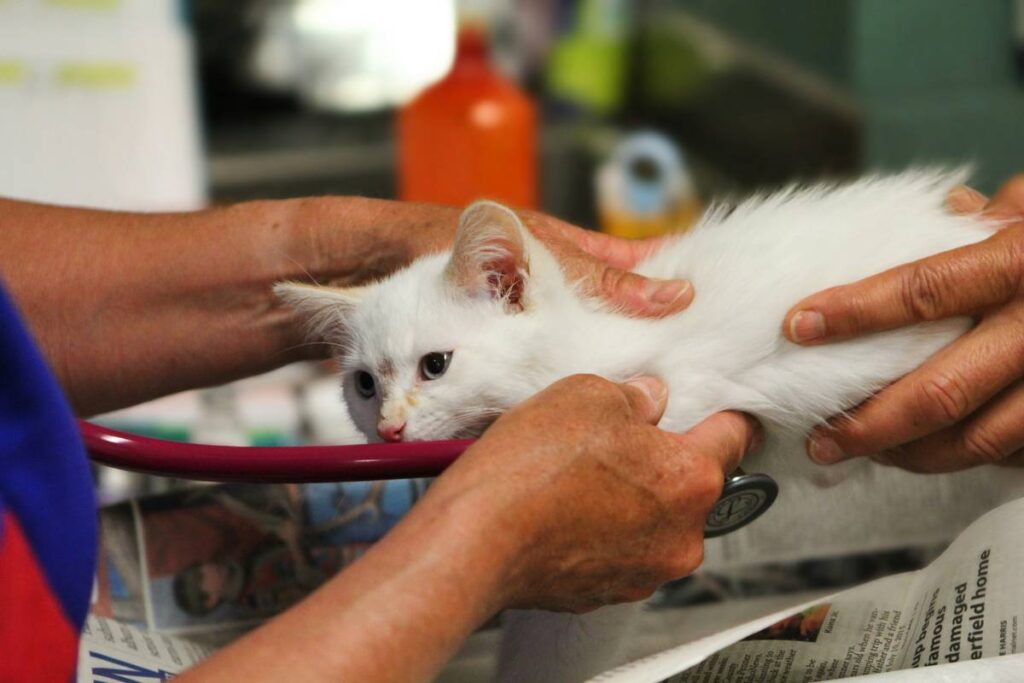
Before considering devices, confirm the loss isn’t due to wax buildup, ear mites (Otodectes cynotis), or middle-ear infections. An otoscopic exam and BAER (Brainstem Auditory Evoked Response) test are non-invasive gold standards—offered at veterinary teaching hospitals like those listed by the American Veterinary Medical Association.
Step 2: Choose Device Type Based on Anatomy & Lifestyle
Feline hearing aids are typically open-fit, behind-the-ear (BTE) models with micro-receivers. Unlike human versions, they avoid occluding the ear canal (to prevent moisture retention) and weigh under 2 grams. For cats who scratch frequently, silicone earmolds with venting channels reduce irritation. Outdoor or multi-pet households benefit from waterproof-rated devices (IPX7 standard).
Step 3: Gradual Acclimation Is Non-Negotiable
Start with 10 minutes daily—placed near, not *in*, the ear. Pair with high-value treats (like freeze-dried sardines) and praise. Only increase duration when the cat consistently approaches the device without freezing or flicking ears. Rushing this phase triggers lasting neophobia—trust me, I learned that the hard way with Mochi’s second fitting attempt.
5 Realistic Tips for Maximizing Hearing Support in Aging Cats
- Use consistent tactile signals alongside sound. Tap gently beside their shoulder before calling—this bridges auditory gaps and avoids startling them awake.
- Minimize background noise during training sessions. Turn off fans, TVs, and dishwashers; feline hearing is highly susceptible to masking effects.
- Never skip annual BAER retesting. Hearing thresholds shift—especially with hypertension or kidney disease, which impact cochlear blood flow.
- Rotate battery types based on season. Lithium coin cells last longer in dry air; nickel-metal hydride hold charge better in high-humidity climates.
- Avoid the “one-size-fits-all” approach. There is no universal brand. Some cats respond better to directional microphones; others need omnidirectional amplification for environmental awareness. Trial periods matter.
Real Results: What Happens When Hearing Aids Are Fitted Correctly
In a 2023 pilot study published by the Cornell Feline Health Center, 22 geriatric cats fitted with calibrated BTE devices showed measurable improvements within four weeks: 86% regained responsiveness to owner voices, 73% reduced daytime sleeping by 2+ hours, and 64% displayed decreased startle response frequency (measured via video coding across 14-day diaries). Critically, owners reported stronger reattachment behaviors—like increased head-butting and lap-seeking—that hadn’t occurred since pre-hearing-loss days.
But success hinges on partnership—not hardware alone. One participant, Linda (12-year-old Maine Coon, Tully), shared: “It wasn’t the volume change that stunned me—it was watching him turn *toward my whisper* while I was across the room. He hadn’t done that in 11 months.” Her story reminds us: cat hearing aid benefits aren’t just decibel-driven—they’re relational.
Frequently Asked Questions About Feline Hearing Technology
Can cats wear hearing aids safely long-term?
Yes—when fitted by a certified veterinary audiologist and monitored quarterly. Modern micro-BTE units cause no tissue damage, pressure sores, or infection risk when cleaned weekly with vet-approved ethanol swabs. Unlike implants, they’re fully reversible.
Do cat hearing aid benefits include improved balance or coordination?
Indirectly, yes. While hearing aids don’t treat vestibular disease, restored auditory input stabilizes spatial mapping—reducing disorientation-related stumbles. The NIH notes auditory feedback accounts for ~20% of postural control in quadrupeds.
How much do cat hearing aids cost—and is pet insurance worth it?
Custom devices range from $1,200–$2,800 (including fitting and follow-ups). Most standard pet insurance excludes hearing aids—but specialized plans like Embrace’s “Wellness Rewards” tier now cover up to 80% of audiology consults. Review details in our Privacy Policy to understand data handling for insurance referrals.
Is there a “terrible tip” I should absolutely avoid?
Absolutely: “Just buy a human hearing aid online and tape it to their ear.” Human devices amplify broad-spectrum noise—including low frequencies cats find painful (e.g., refrigerator hums at 60 Hz). This causes immediate withdrawal, chronic ear scratching, and can worsen neural fatigue. It’s ineffective—and actively harmful.
Where can I find trusted veterinary audiology support?
Beyond university hospitals, the American College of Veterinary Internal Medicine (ACVIM) certifies specialists trained in feline neurology and sensory disorders. Their directory is accessible via the ACVIM website. We also list vet-recommended providers in our About Us resource section.
Let’s be real: pet hearing support is still emerging—but every cat deserves to hear the rustle of the treat bag, the gentle sigh of their favorite person, and the world speaking back to them. If Mochi taught me anything, it’s that cat hearing aid benefits begin the moment we stop assuming silence = peace—and start listening deeper.
Ready to explore personalized options? Contact Us today—we’ll connect you with certified feline audiology partners and help decode your pet insurance coverage, compassion-first.