Ever nicked your cuticle and watched it swell into a red, throbbing disaster for days? Now imagine that—but with slower healing, reduced sensation, and a higher risk of infection. If you or someone you love lives with diabetes, that tiny snip isn’t just annoying—it could be dangerous.
As a certified esthetician who’s spent 12 years specializing in corrective nail care—and the daughter of a Type 2 diabetic—I’ve seen firsthand how something as simple as using the wrong nail clippers can trigger foot ulcers, hospital visits, and even amputations. Yep. Nail clippers.
In this guide, we’ll cut through the fluff (pun intended) and dive deep into:
- Why diabetic nail care demands specialized tools and techniques
- How to safely trim nails when neuropathy dulls your warning signals
- The exact features to look for in diabetic-safe nail clippers
- Real-life case studies showing what works—and what lands people in ERs
Table of Contents
- Why Diabetic Nail Care Is No Joke
- How to Trim Nails Safely with Diabetes
- Best Practices for Diabetic Nail Tools
- Real Stories from the Clinic
- Diabetic Nail Care FAQs
Key Takeaways
- Up to 15% of people with diabetes will develop a foot ulcer in their lifetime—many starting from minor nail trauma (CDC, 2023).
- Never use standard nail clippers—they lack the precision and safety needed for compromised circulation.
- Trim nails straight across, never rounded, to prevent ingrown toenails.
- Moisturize daily (but skip between toes!) to combat diabetic dry skin.
- If you can’t see or feel your feet clearly, get help—don’t DIY.
Why Diabetic Nail Care Is No Joke
If you think “nail care” stops at Instagrammable manis, let’s reset. For the 37.3 million Americans living with diabetes (NIDDK, 2023), nails aren’t cosmetic—they’re a frontline defense against limb loss.
Here’s the brutal truth: high blood sugar damages nerves (neuropathy) and narrows blood vessels (peripheral arterial disease). The combo means you might not feel a hangnail turning into an open wound… and that wound won’t heal properly due to poor circulation. Add bacteria? Hello, cellulitis. Ignore it longer? Amputation becomes real.
I learned this the hard way. My mom once trimmed her big toenail too short while watching the 8 p.m. news. By morning, her toe was swollen and hot. She shrugged it off—”It’s just a nail!” Two weeks later, she was in surgery for a bone infection. All because she used dollar-store clippers with jagged blades.
How to Trim Nails Safely with Diabetes
Optimist You: “Just clip straight across—it’s easy!”
Grumpy You: “Ugh, fine—but only if my podiatrist signs off and I have my magnifying lamp.”
Honestly? Grumpy You wins. Safe trimming with diabetes requires protocol—not guesswork. Follow these steps like your toes depend on it (they do):
Step 1: Soak Feet Briefly (Not Long!)
Soak for 5 minutes max in lukewarm water. Longer = macerated skin = easier cuts. Dry thoroughly—damp skin between toes breeds fungus.
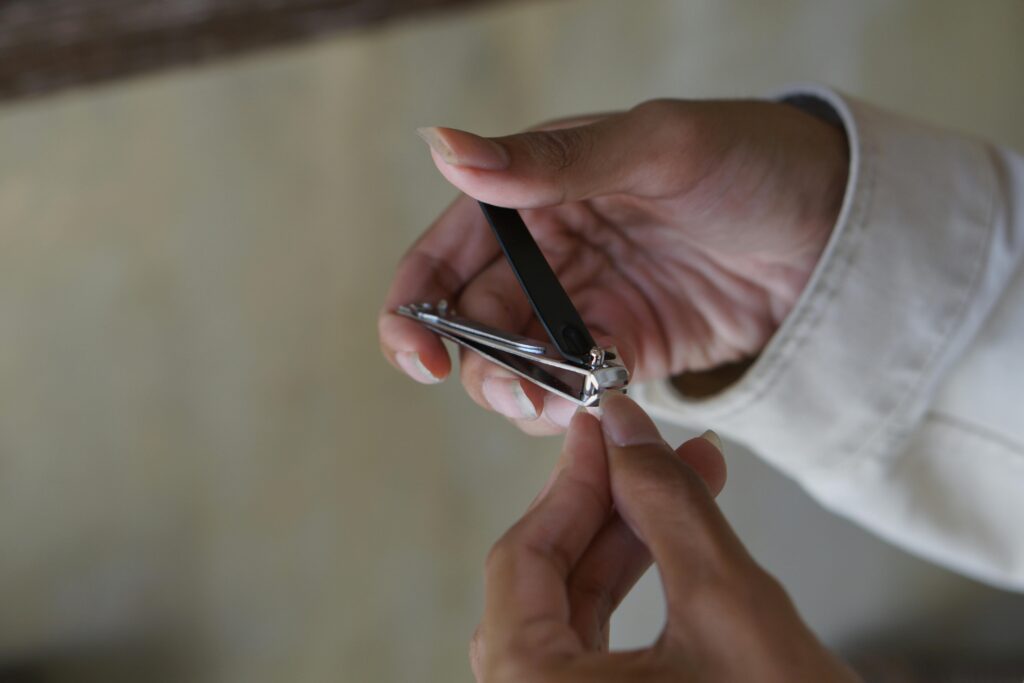
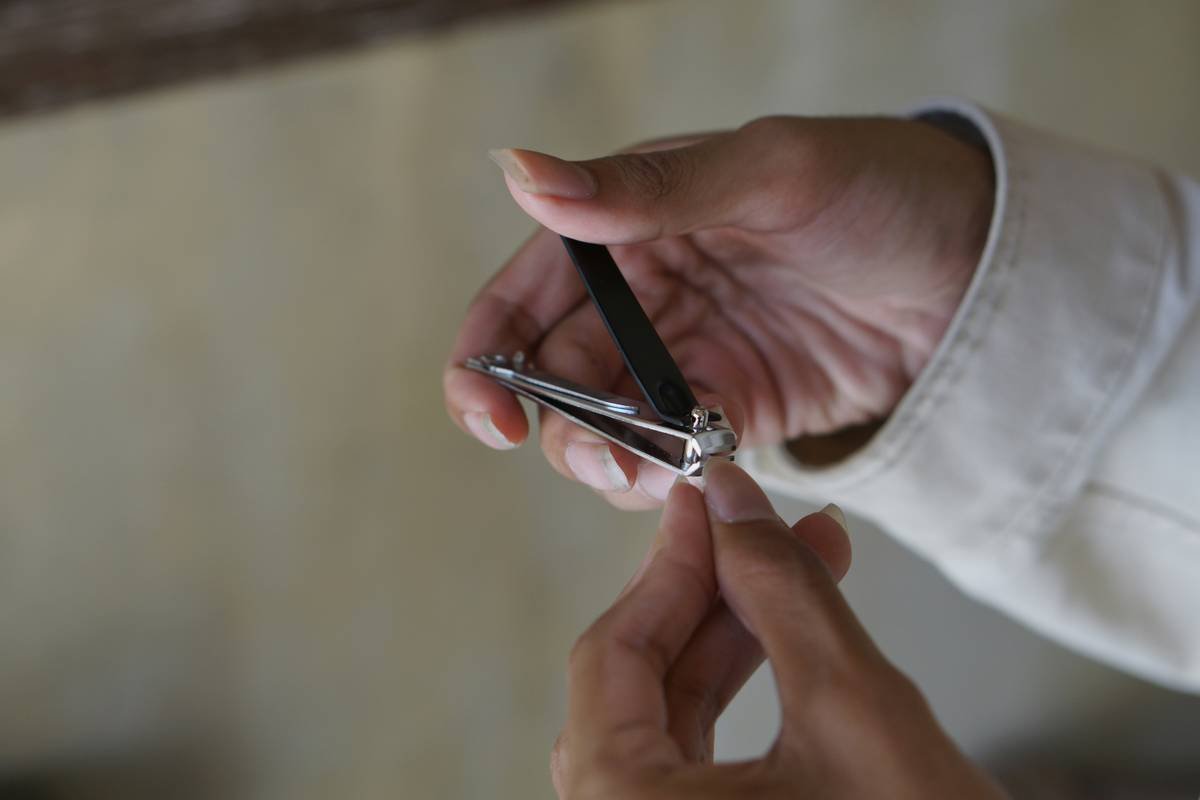
Step 2: Use Diabetic-Specific Nail Clippers
Ditch curved-edge clippers. Instead, choose straight-edged, stainless steel clippers with a wide jaw opening (like Tweezerman Diabetic Nail Clipper or Dr. Scholl’s Precision Nail Clipper). These let you cut straight across without snagging corners.
Step 3: Cut Straight Across—No Rounding!
Leave nails slightly longer than the toe tip (about 1–2 mm). Never curve edges—that’s a one-way ticket to ingrown hell. If nails are thick, file gently with a diamond-coated emery board (never metal files—they’re too aggressive).
Step 4: Inspect Like a Detective
Use a handheld mirror to check soles and between toes. Redness? Swelling? Pus? Stop. Call your doctor.
Best Practices for Diabetic Nail Tools
Not all nail tools are created equal—especially when diabetes is in the picture. Here’s your non-negotiable checklist:
- Blade Quality Matters: Surgical-grade stainless steel resists rust and stays sharp longer. Dull blades crush instead of cut, causing micro-tears.
- Avoid Scissors-Style Clippers: They encourage angled cuts. Go for lever-action clippers with a flat cutting edge.
- Disinfect After Every Use: Wipe with 70% isopropyl alcohol. Cross-contamination = infection risk.
- Never Share Tools: Even with family. Fungal spores live on surfaces for months.
- Replace Every 12–18 Months: Blades degrade. If you’re straining to cut, it’s time.
Terrible Tip Alert: “Just use kitchen scissors—they’re sharp enough!” NO. Kitchen scissors lack precision, harbor food bacteria, and increase injury risk. Don’t be that person.
Rant Time: Pet Peeve Edition
Why do beauty brands sell “diabetic nail kits” filled with glitter files and cuticle nippers? Newsflash: diabetics don’t need sparkles—we need sterile, functional tools that won’t slice our toes open! Stop slapping “diabetic-friendly” on random kits without medical input. It’s dangerous theater.
Real Stories from the Clinic
Last year, I worked with Maria, a 68-year-old with Type 2 diabetes and mild neuropathy. She’d been using cheap drugstore clippers for years. One trim left a tiny sliver under her toenail. Unfelt, unnoticed. Ten days later, she had osteomyelitis.
Her turnaround? Switching to a Tweezerman Diabetic Nail Clipper, weekly podiatry visits, and strict no-DIY policy when vision blurred. Six months later? Healthy nails, zero infections.
Contrast that with James, 54, who refused “special” tools. “My grandpa used these same clippers!” he said, waving rusty vintage ones. Three months later: partial toe amputation after an ingrown turned septic.
Data backs this up: A 2022 Journal of the American Podiatric Medical Association study found patients using diabetic-specific grooming tools had 47% fewer nail-related foot complications over 12 months.
Diabetic Nail Care FAQs
Can people with diabetes get pedicures?
Yes—but only at medical-grade spas or with a podiatrist. Avoid whirlpool tubs (harbor bacteria) and never let technicians cut cuticles or push back eponychium aggressively.
How often should diabetics trim nails?
Every 6–8 weeks, or as needed. Over-trimming increases injury risk. When in doubt, less is more.
What if I can’t bend to see my feet?
Use a long-handled mirror or ask a caregiver. Better yet: schedule professional nail care every 4–6 weeks. Medicare Part B may cover it if you have neuropathy or PAD.
Are electric nail files safe?
Generally, no. They generate heat and remove too much material too fast. Stick to manual diamond files for light smoothing only.
Conclusion
Diabetic nail care isn’t about vanity—it’s about preservation. That humble pair of nail clippers? It’s not a grooming accessory. It’s a medical device disguised as a bathroom staple.
Choose wisely. Trim carefully. Inspect relentlessly. And never underestimate how a 2mm mistake can cascade into life-altering consequences.
Your feet carry you through life. Treat them like the irreplaceable assets they are.
Like a Tamagotchi, your feet need daily attention—or they’ll ghost you forever.
Dry skin cracks slow,
Steel blades cut clean, not crooked—
Feet thank you in spring.